When resentment becomes a ceiling.
Unresolved disappointment, fear, and old stories can limit trust, leadership, collaboration, and the willingness to grow.
Keynotes & conversations for people ready to move forward
Matt Williams speaks from lived experience of violent loss, severe depression, alcohol addiction, and recovery—then turns the principles that helped him rebuild into practical conversations about emotional clutter, relationships, work, and purpose.
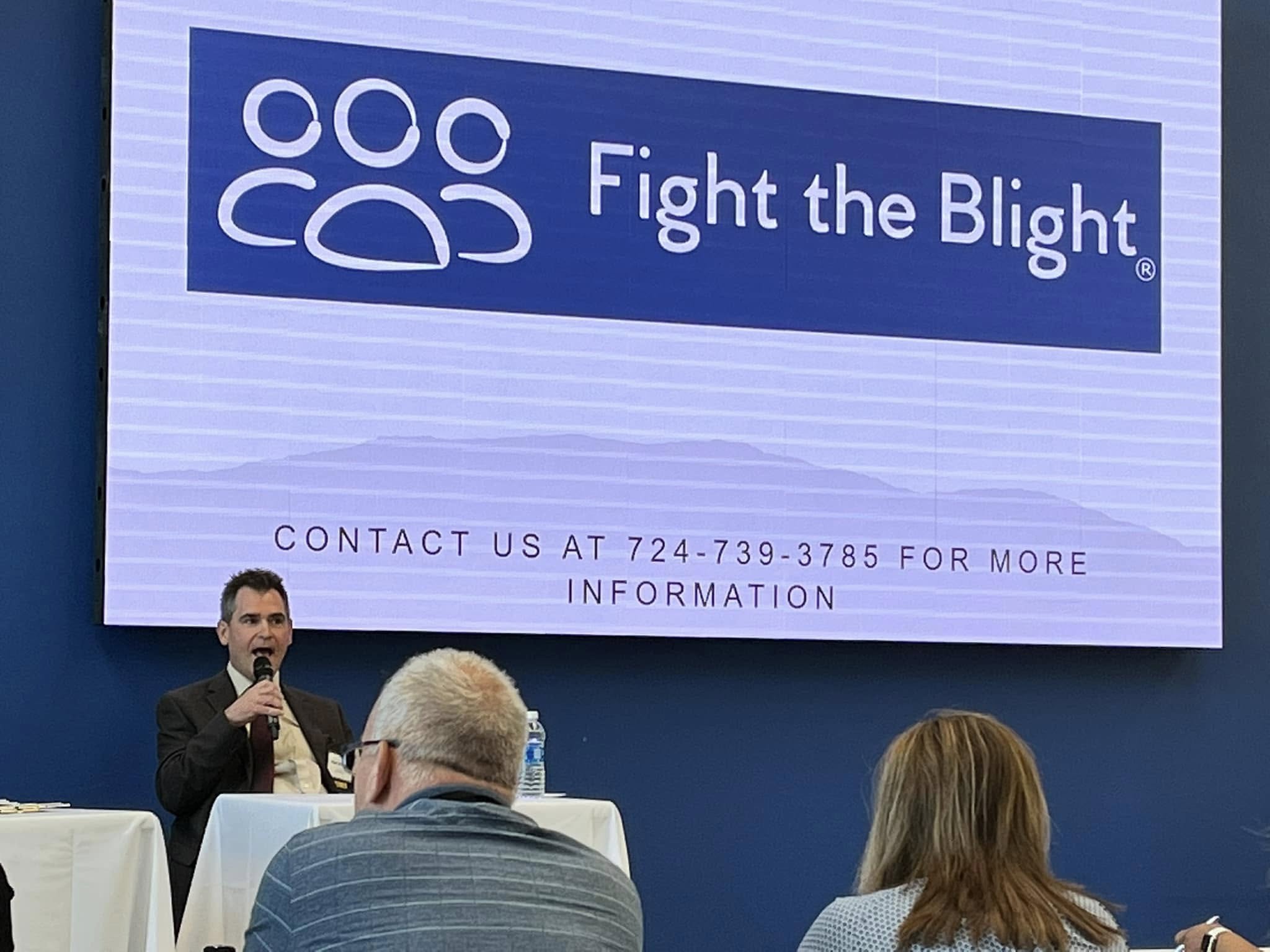
The flagship talk
“The worst thing that happened to you does not have to be the last meaningful thing you do.”
After the violent loss of his father, Matt Williams moved through depression, alcohol addiction, and disconnection before finding recovery, forgiveness, and a life of service. He does not present a neat success story. He tells the truth about what it took to begin again, and how helping people in crisis became part of his own healing.
Through peer-based work with people affected by hoarding disorder, Matt saw how visible clutter can carry grief, shame, fear, resentment, and disconnection. The same principles—see the person first, replace shame with curiosity, identify the barrier beneath the problem, and take one honest next step—apply far beyond a home.
The presentation is educational and grounded in lived experience. It is not therapy, clinical treatment, or crisis care.
The cost of emotional clutter
Unresolved pain can shape choices, limit relationships, and make a meaningful future feel out of reach. Matt helps people name what they are carrying without shame—and decide what they want to carry forward.
Unresolved disappointment, fear, and old stories can limit trust, leadership, collaboration, and the willingness to grow.
Grief, shame, and self-protection can turn connection into distance. Honest, safer conversation creates room for something different.
The past can make hope feel unsafe. Small, supported steps can create room for purpose, joy, and a future that belongs to you.
The same principles that guide Matt's hoarding-disorder work help people respond to visible and invisible struggles with dignity instead of judgment.
Ways to bring Matt in
Available in person or virtually, as a standalone keynote or as part of a wider day of learning and conversation.
Flagship keynote
A 45-60 minute lived-experience keynote about adversity, recovery, emotional clutter, forgiveness, and what becomes possible when pain is no longer the only author of your story.
Interactive workshop
A practical session on seeing the person beneath visible and invisible struggles—then finding the barrier, the next step, and the support that can make progress last.
Conversation format
A facilitated conversation about grief, resentment, shame, difficult experiences, asking for help, and choosing the next part of your story without pretending the past did not happen.
A strong fit for
Speaking inquiries
Share your audience, possible dates, format, and what you hope people will carry with them when the room empties.
Matt replies personally. This form is for booking and conversation—not clinical or crisis support.